Rotterdam, Netherlands
Reduction of particulate matter using moss
Actiflow conducted a microclimate assessment for the Pompenburg project in Rotterdam, the Netherlands.
Actiflow provided the necessary insight
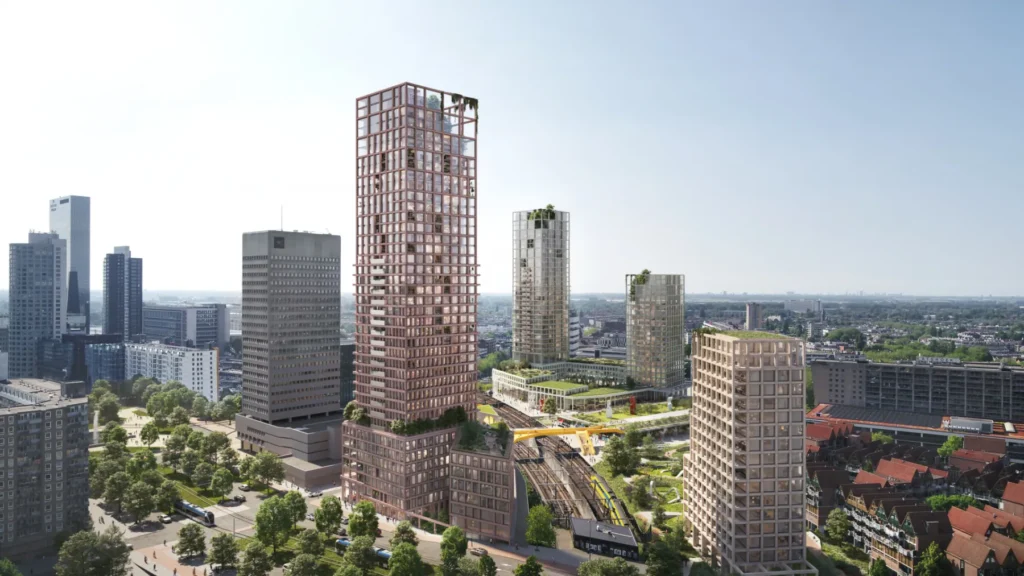
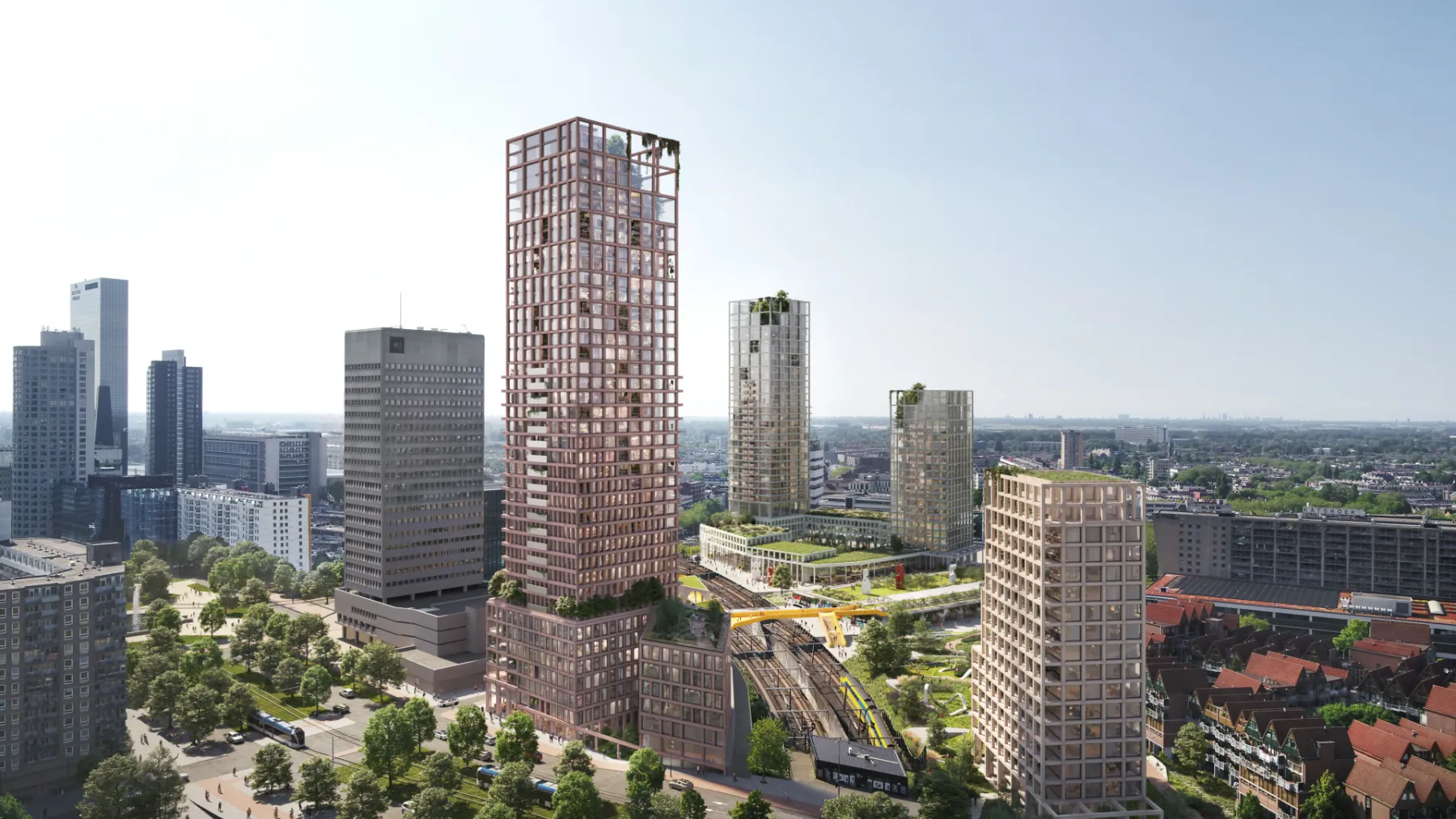
Pompenburg is a new construction project that will be completed between 2024 and 2026 northeast of the center of Rotterdam. The planning area creates a corridor between the center and North Rotterdam and is characterized by predominantly high-rise buildings, including four residential buildings with towers.
Case details
About the client
BESIX Group is a leading Belgian industrial company operating in the construction, real estate development and concessions sectors. Part of their construction activities act in the urban environment where both infrastructure and buildings are realized. To keep ahead of the fierce competition in this domain BESIX established an innovation program. BESIX Clear Air is one of the outcomes of this program.

BESIX Clean Air focusses on using new developments to create a better, healthier urban environment. One of the issues that needs to be dealt with is the dispersion of particulate matter originating from road traffic. Without measures these small particles are dispersed throughout the urban environment where it can cause major health issues such as respiratory problems and premature deaths.
The Challenge
Currently a lot of research is being conducted on the air filtering capabilities of moss. Some claim it filters the air quite effectively and thus diminishes the amount of particulate matter in the urban environment. Certain research institutes and manufacturers express rather impressive claims, but BESIX needs some additional unbiased information, such as: how much of these moss walls are needed to generate a substantial impact, at what distance is the impact still noticeable, does it work in a dense urban environment, etc.
BESIX asked Actiflow to answer these questions. To make this possible a relatively simple model was made using a road with moss screens on both sides or a tunnel entrance with the walls covered in moss. Some additional variances were made in empty surrounding, low rise buildings and high rise buildings. Simulations were carried out using different wind directions and wind speeds to establish a correlation (if present) between these boundary conditions and the dispersion of particulate matter. These results were transferred to BESIX to be used in future projects.
The Solution
Lorem ipsum dolor sit amet, consectetur adipiscing elit. Maecenas nec sodales sem, in varius dui. In libero lacus, luctus at tellus at, molestie fringilla tellus. Vivamus quis fermentum leo. Nam nec diam convallis erat tincidunt bibendum. Nam a euismod libero, sagittis tempus augue. Vestibulum luctus libero sed leo accumsan pellentesque.
Results & Key Data
An acceptable wind microclimate around buildings and in open public spaces is becoming increasingly important to ensure pedestrian comfort and safety. Adverse wind conditions can impact the quality and functionality of public space and, in extreme cases, raise safety concerns.
Actiflow can help in all stages of the design, whether it is providing an advice during early design stages, or preparing a complete pedestrian wind microclimate assessment to support planning application.
“Communication with our partners at Actiflow is smooth and pleasant. They always keep their promises and their studies result in reliable and ready-to-use information. In short, we are very satisfied!”
Erwin van den Hove
Director of Project and Plan Development


Conclusion
Lorem ipsum dolor sit amet, consectetur adipiscing elit. Maecenas nec sodales sem, in varius dui. In libero lacus, luctus at tellus at, molestie fringilla tellus. Vivamus quis fermentum leo. Nam nec diam convallis erat tincidunt bibendum. Nam a euismod libero, sagittis tempus augue. Vestibulum luctus libero sed leo accumsan pellentesque.
Relevant Projects
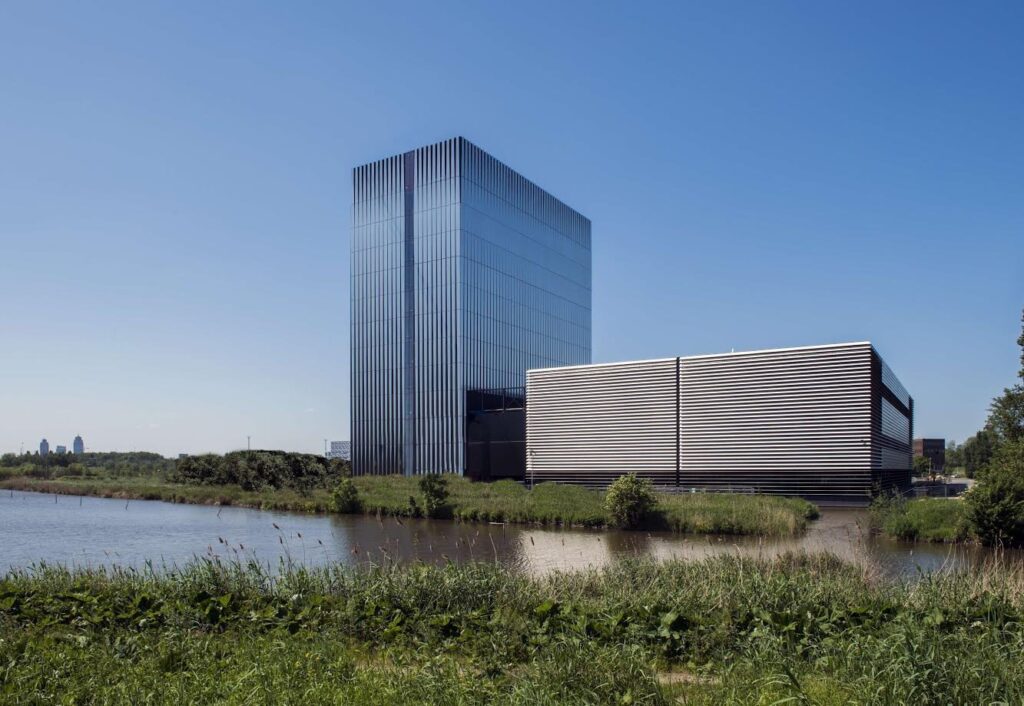
Equinix AM4 datacenter
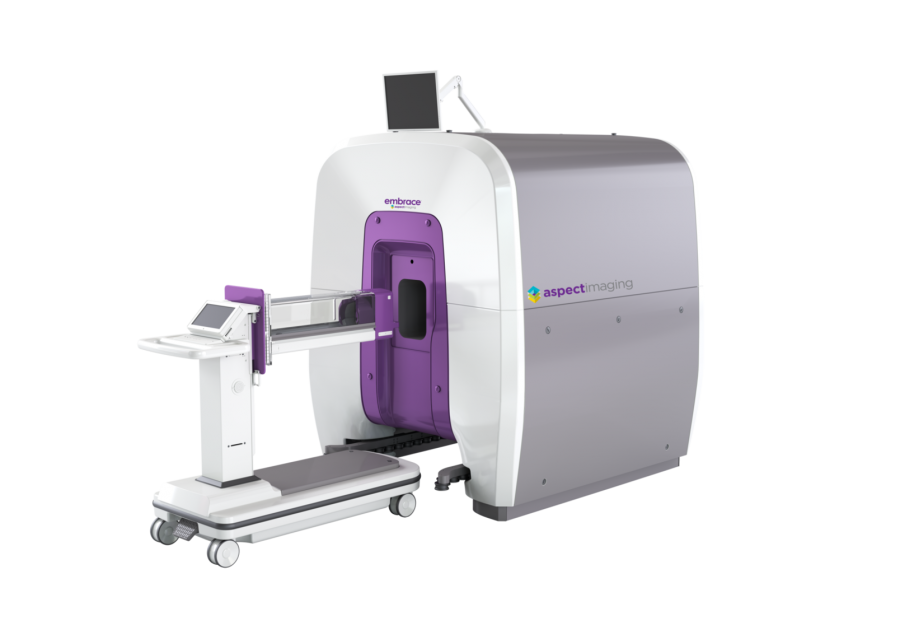
Incubator inside MRI
Collaboration HWA
Avebe – Chromatography column

Tokyo 2020 Track Bike