
Aerodynamics for R&D
Sports Aerodynamics
Aerodynamic analysis, design and optimization of sports equipment
Aerodynamics for R&D
Aerodynamic analysis, design and optimization of sports equipment
In competitive sports, aerodynamic drag is often the main factor limiting performance. Whether in individual disciplines or team racing, optimizing aerodynamics can significantly increase speed and efficiency.
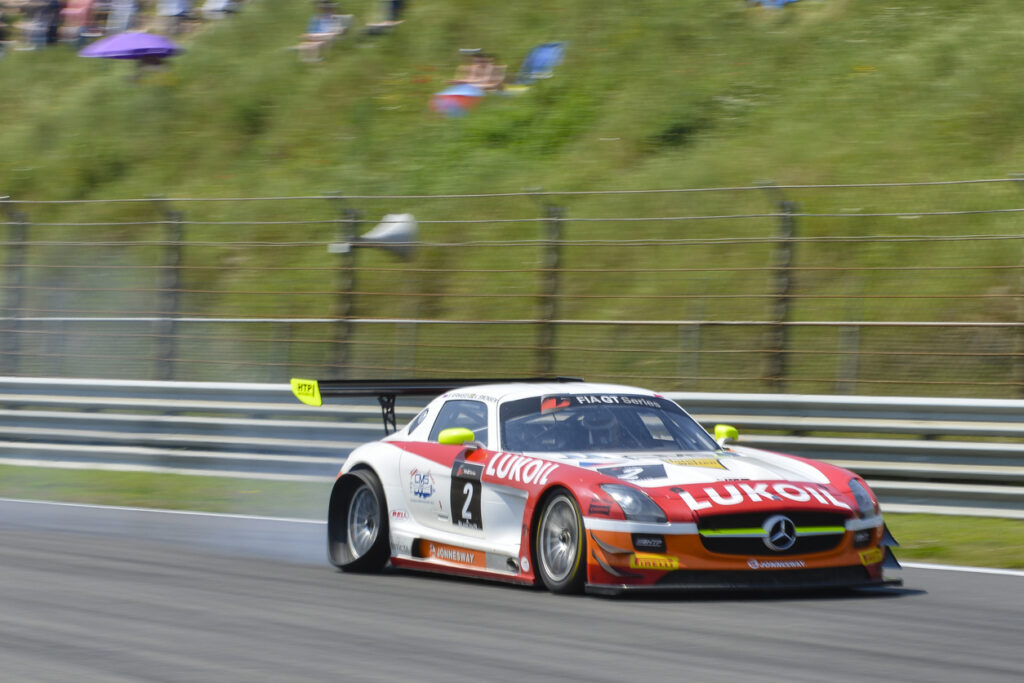
Sports aerodynamics plays a crucial role in many disciplines, including cycling, speed skating, motorsports, sailing and rowing, swimming, and skiing. Even small aerodynamic improvements can translate into valuable gains in race performance.
Actiflow has an outstanding track record in aerodynamic design and optimization for sports equipment. Our work has contributed to remarkable achievements, including world records, World Championship titles, and Olympic gold medals.
We work with a wide range of clients in the sports industry, including:
All of our clients share the same goal: maximizing athletic performance through advanced aerodynamic optimization.
Our clients range from large international companies with extensive R&D programs to small teams and individual athletes seeking to gain a competitive edge by improving their equipment or setup.
A specialized niche in our portfolio is indoor skydiving aerodynamics. In this sector we collaborate with:
We support our clients with aerodynamic design, analysis, and performance optimization of sports equipment and athlete–equipment interaction.
Our services typically include:
We are often involved in the early conceptual design phase, where aerodynamic improvements have the largest impact on performance.

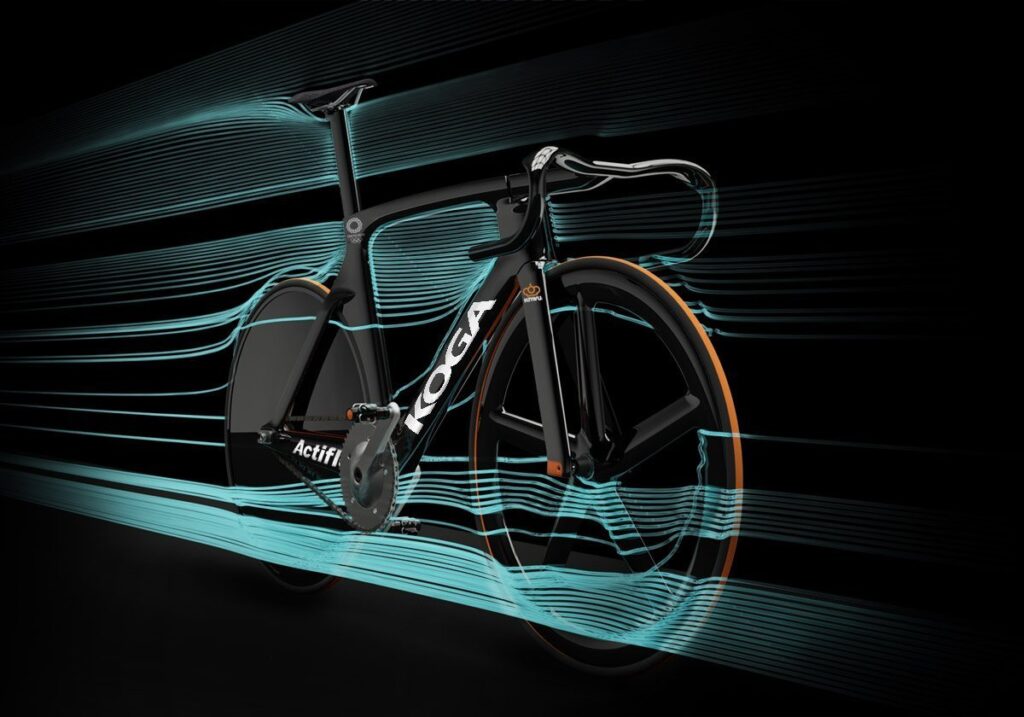
Our projects typically starts with aerodynamic simulations to analyze existing equipment and to identify opportunities for performance improvements.
If required, we perform 3D scans of athletes so that the athlete can be accurately included in our simulation models. This allows us to visualize airflow patterns and quantify aerodynamic drag around both the athlete and the equipment.
Based on the initial analysis, we propose targeted design improvements. These changes are implemented and evaluated in our 3D CFD simulation models, allowing us to iteratively refine the design for minimum drag and maximum performance.
Once a promising concept has been developed, we can validate and fine-tune the design in a wind tunnel. Wind tunnel testing also enables direct benchmarking against competitor equipment when commercially available.
As a final deliverable, we provide 3D geometry files and technical documentation, allowing our clients or their engineering partners to continue with detailed design and product development.
Our expertise is only a few clicks away. Just send us an email or fill out the form on our contact page, and one of our experts will contact you as soon as possible.

Made by 