
Indoor climate & air quality
Offshore platforms
Analysing thermal conditions and air quality on offshore platforms
Indoor climate & air quality
Analysing thermal conditions and air quality on offshore platforms
Offshore platforms are designed to support critical industrial operations at sea, often including living quarters for workers in confined spaces. For accommodation areas, indoor air quality and thermal comfort are critical for the health, safety and well-being of workers.
For enclosed areas—such as transformer rooms—maintaining suitable indoor conditions with effective (natural) cooling is essential.
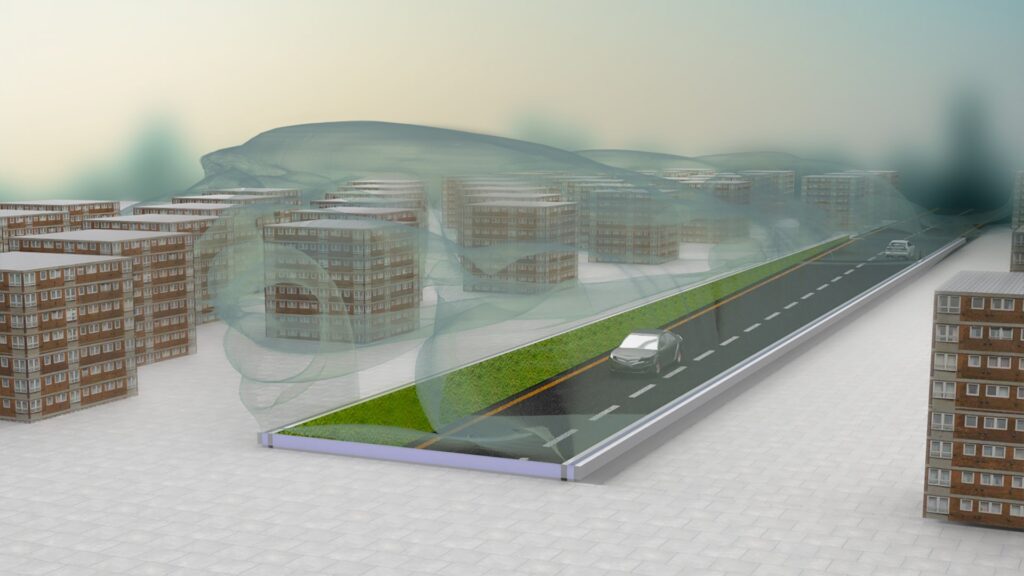
Actiflow uses advanced Computational Fluid Dynamics (CFD) to simulate wind flow around offshore platforms and indoor airflow within enclosed spaces. Our goal: to create safe, efficient, and comfortable environments for both people and processes.
We primarily work with large engineering companies involved in the design and development of offshore platforms. In some cases, we also collaborate with equipment suppliers and providers of offshore accommodation modules.
Our work typically focuses on:
By using CFD simulations early in the design phase, our clients can identify potential issues and optimize system performance before construction.
We support our clients in optimizing and validating HVAC and filtration systems for offshore platforms. Our services include:
Our primary tool for analysing indoor climate and air quality on offshore platforms is Computational Fluid Dynamics (CFD).
We start by creating a detailed 3D simulation model of the relevant space. This model may include:
The ventilation and filtration system design is also incorporated into the model as a key input parameter.
Using this model, we perform simulations that provide detailed insights into airflow behaviour and indoor conditions. Typical results include:
Based on the simulation results, we propose mitigation measures and optimisation strategies for ventilation and filtration systems. Where needed, additional CFD simulations can be performed to evaluate the impact of design modifications and confirm improvements.

Ready to optimize your offshore platform’s thermal and air quality conditions?
Contact Actiflow today to discuss how our CFD simulations can support your project.
Our expertise is only a few clicks away. Just send us an email or fill out the form on our contact page, and one of our experts will contact you as soon as possible.

Made by 