
Indoor climate & air quality
Sports & event locations
Advanced CFD analysis for optimal HVAC design in sports and event venues
Indoor climate & air quality
Advanced CFD analysis for optimal HVAC design in sports and event venues
Indoor sports and event venues—such as athletics halls, velodromes, ice rinks, and multipurpose arenas—are often designed to accommodate both sporting activities and large-scale events. This dual use places high demands on ventilation performance, thermal comfort, and indoor air quality.
These buildings are typically very large spaces, often exceeding 250,000 m³, and must operate effectively under highly variable occupancy conditions—from small training sessions to fully occupied events.
Meeting heating or cooling capacity requirements alone is not sufficient. Air distribution, temperature stratification, and comfort levels can vary significantly throughout the venue.
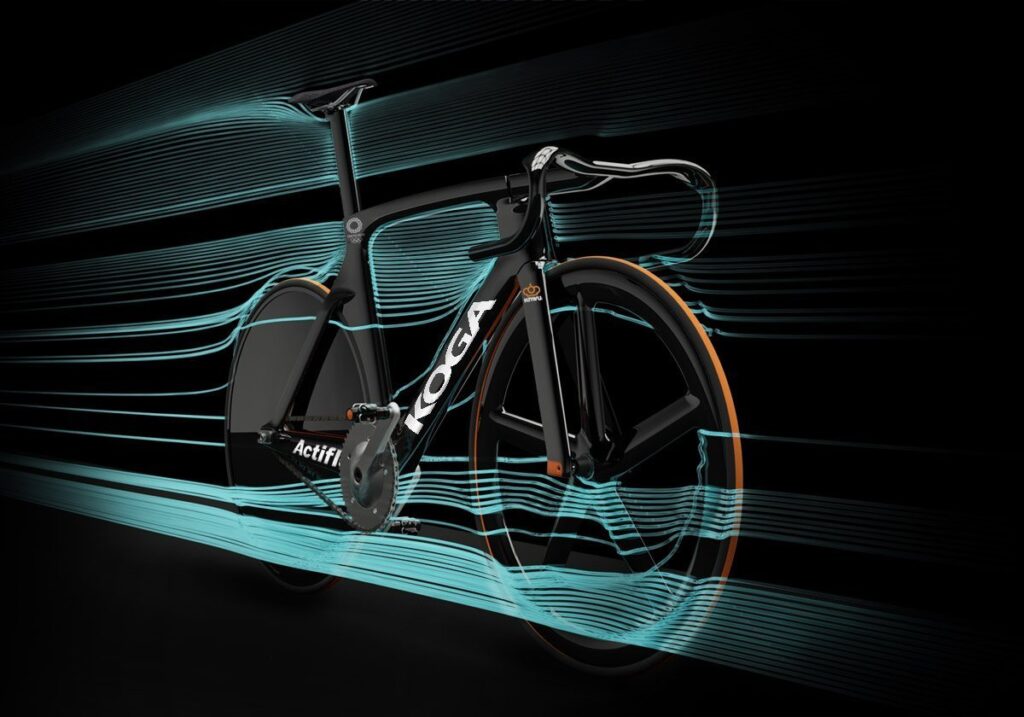
Using Computational Fluid Dynamics (CFD), Actiflow simulates real-world operating conditions to accurately predict airflow patterns, temperature distribution, and occupant comfort. This enables HVAC systems to be optimized before construction or renovation begins.
Actiflow provides indoor airflow analysis and consultancy for organizations that require advanced simulation expertise but do not perform these analyses in-house.
Our services typically support:
Our analyses are primarily used during the design of new sports facilities or the renovation of existing venues. The goal is to:
We support our clients in optimizing and validating HVAC system performance under realistic operating conditions. Our services include:
Starting from a base HVAC design provided by the project team, we define critical scenarios based on occupancy levels, internal heat loads, and ventilation requirements.
Using numerical simulations, we analyze system performance and provide targeted recommendations to improve airflow distribution, enhance comfort conditions, and reduce energy consumption.
HVAC systems in sports and event venues must perform reliably under a wide range of operating conditions. Even if a system is theoretically capable of delivering the required heating or cooling capacity, this does not automatically guarantee that:
Computational Fluid Dynamics (CFD) enables detailed simulation of these complex indoor environments. It allows us to predict airflow patterns, temperature distribution, ventilation effectiveness and thermal comfort levels.
This approach allows HVAC systems to be validated and optimized before construction or refurbishment, reducing design risks and costly modifications later in the project.
Where relevant, we complement our simulations with on-site measurements to evaluate the performance of existing HVAC systems.
Our CFD workflow typically consists of three phases:
Problem definition:
We analyze the building geometry, HVAC system design, and applicable comfort requirements. During this phase we also define the critical operating scenarios, such as maximum occupancy or extreme outdoor conditions.
If comparison with an existing situation is required, we may perform on-site measurements to characterize current system performance.
CFD simulations and optimization:
Based on the design data, we create a detailed 3D simulation model of the venue.
Using CFD simulations, we analyze:
Based on the results, we identify opportunities for design optimization. After consultation with the client, improvements are implemented in the simulation model and additional simulations are performed until a solution is reached that satisfies all project requirements.
Reporting:
At the end of the analysis, we deliver a comprehensive technical report documenting the results and recommendations.
The report typically includes:
The optimized HVAC design is documented in terms of:
This provides the project team with clear, validated input for the final HVAC system design.
Our expertise is only a few clicks away. Just send us an email or fill out the form on our contact page, and one of our experts will contact you as soon as possible.

Made by 