
Wind Engineering
Large scale wind assessments
We study and optimize pedestrian comfort and safety in the built environment
Wind Engineering
We study and optimize pedestrian comfort and safety in the built environment
Wind plays a crucial role in the urban climate. An acceptable wind microclimate around buildings and in public outdoor spaces is increasingly important to ensure pedestrian comfort, usability, and safety.
Excessive wind speeds can negatively affect the quality and functionality of streets, squares, and public areas and may even lead to safety risks during extreme conditions. Conversely, areas with very low wind speeds often suffer from poor natural ventilation, which can result in heat stress and increased concentrations of air pollutants.
To design healthy, comfortable, and resilient cities, it is essential to understand and predict wind behaviour on an urban and city-wide scale.
Our large-scale wind assessment services are primarily aimed at municipalities, cities, and planning authorities. These studies are typically used to:
We therefore recommend performing an early-stage large-scale wind assessment for new masterplans. This allows the most critical wind-related issues to be identified and addressed at an early phase. In addition, such assessments help authorities set realistic expectations for future wind conditions and clearly communicate these to individual real estate developers.
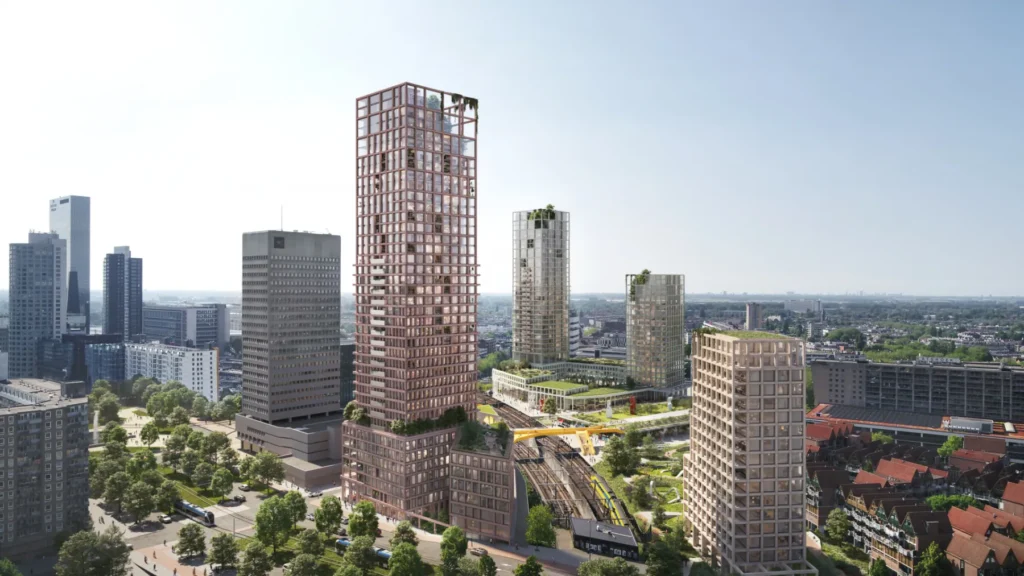
Actiflow provides large-scale wind assessments for urban areas up to 20 km in diameter. If required, even larger regions can be analysed by dividing the study area into multiple connected domains. Depending on your objectives, our studies may include:
All large-scale wind assessments are fully custom-made. Tell us your goals, interests, and concerns, and we will advise you on the most suitable approach and deliverables.
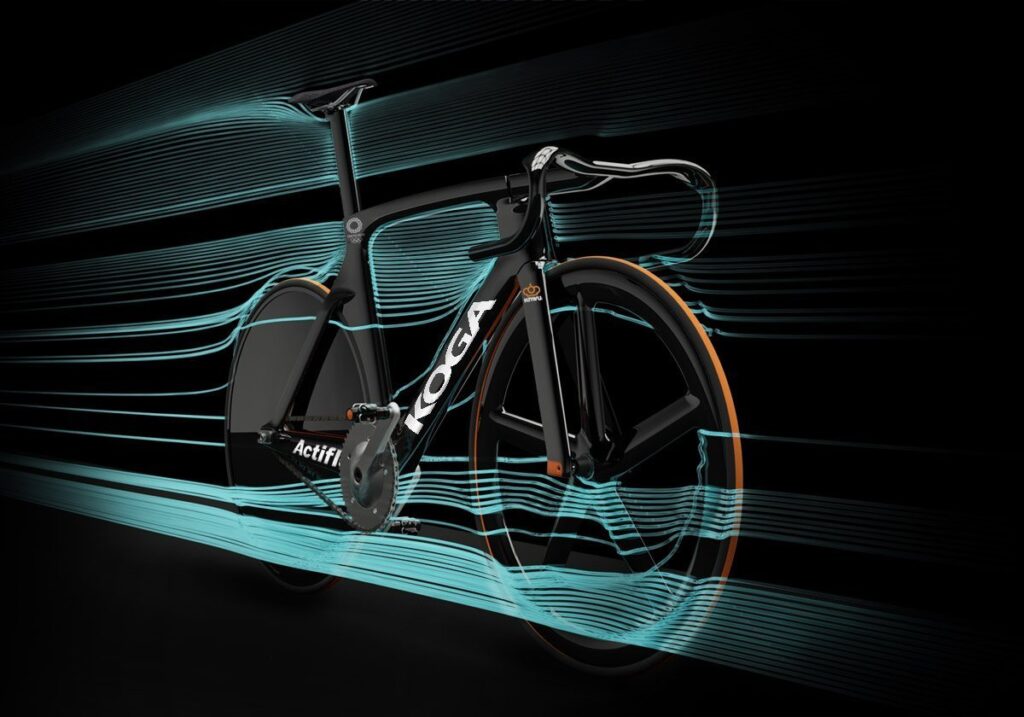
Large scale wind assessments can only be performed using Computational Fluid Dynamics (CFD) simulations. For urban areas spanning several kilometres, wind tunnel testing is not possible due to scaling issues. CFD, however, offers virtually unlimited possibilities. Using state-of-the-art simulation tools and modern computational power, we perform detailed airflow simulations on large-scale models of the built environment. This allows us to capture complex environments in full 3D detail and calculate wind speeds and directions at every square meter.
Used tools:
All our large-scale wind studies comply with applicable local and international standards, building codes, and guidelines. Pedestrian wind microclimate results are typically presented using criteria such as:
For other assessment topics—such as natural ventilation or storm wind conditions—formal standards are often not yet available. In these cases, we apply scientifically sound methodologies and clearly structured result visualisations developed through our extensive experience.





Our expertise is only a few clicks away. Just send us an email or fill out the form on our contact page, and one of our experts will contact you as soon as possible.

Made by 