

Aerodynamics for R&D
Supporting R&D teams with advanced aerodynamic expertise
Supporting R&D teams with advanced aerodynamic expertise
Airflow or liquid flow play a crucial role in the design of many products and systems. For vehicles moving through the air, the importance of aerodynamics is obvious. But also in the design of – for example – medical equipment, industrial processing equipment or HVAC systems, the flow of gases and liquids through the system can affect the functionality and energy consumption of the system.
By visualizing and analyzing airflow and liquid flow behavior, Actiflow helps R&D teams identify potential design challenges and performance limitations at an early stage. Based on these insights, we propose targeted, data-driven design improvements that enhance functionality, improve product quality, and reduce energy consumption.
We support research and development projects with advanced CFD simulations, wind tunnel experiments, and aerodynamic design consultancy across a wide range of industries, including:


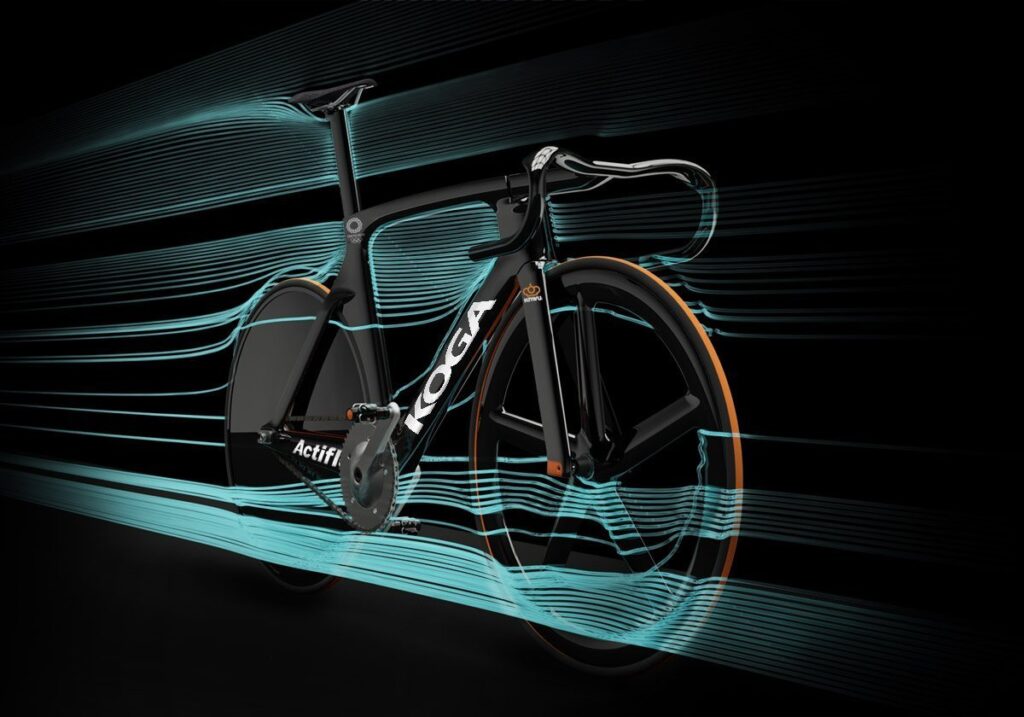
Our portfolio demonstrates extensive experience in applied research and development. From sports aerodynamics to industrial food processing equipment, each project is unique and shows how Actiflow’s expertise contributes to better-performing products and systems.
Our methodology is always adapted to the client’s question and the project phase. Depending on the challenge, we propose the most suitable approach—ranging from numerical CFD simulations and wind tunnel testing to experimental measurements on prototypes.
While we have preferred techniques for specific assessments, we remain flexible and adjust our approach to best meet the client’s objectives. Please explore our separate service pages to learn more about the methodologies we apply in each field.
Our experience shows that we add most value when involved early in an R&D project. Identifying possible flow issues at an early stage minimizes the time and budget required for mitigation. When similar issues emerge later in the design process, changes often become significantly more costly and disruptive.
We typically start by reviewing a design, concept, or idea provided by the client. Whenever possible, we provide immediate expert feedback based on our expertise, helping R&D teams avoid spending time and resources on assessments that are unlikely to meet their objectives.
Based on our analyses, we identify potential issues and propose practical, seasible solutions. Together with the client, we determine which design changes to implement and which follow-up assessments are required. This collaborative approach continues until a solution is achieved that satisfies all technical and stakeholder requirements.
Made by 