

Tools
Wind Tunnel Testing
Validating your design in a controlled environment
Tools
Validating your design in a controlled environment
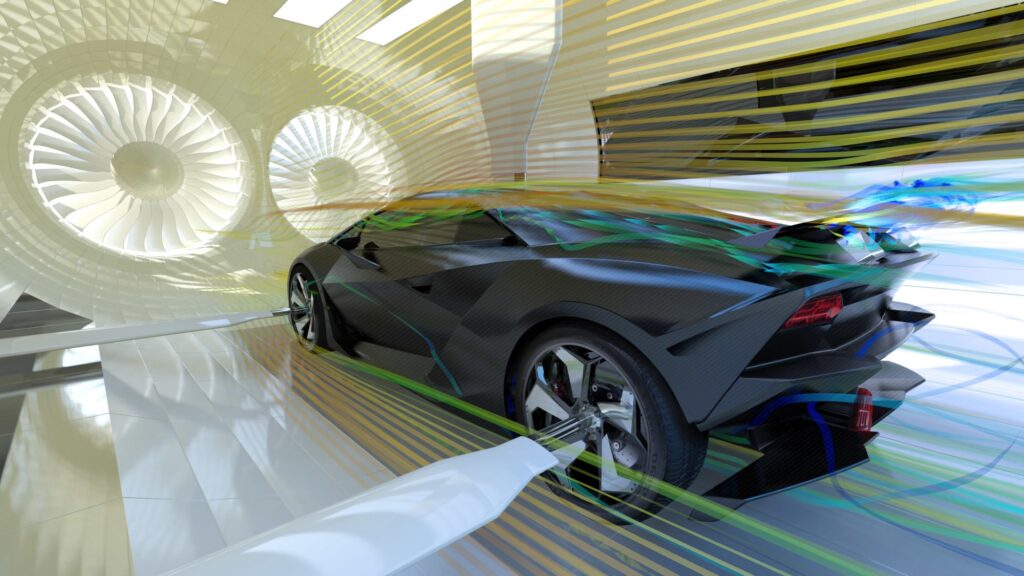
Wind tunnel testing simulates real-world conditions in a controlled environment to evaluate airflow around buildings, vehicles, and other products. At Actiflow, wind tunnel testing plays a key role in our wind engineering and aerodynamic design services.
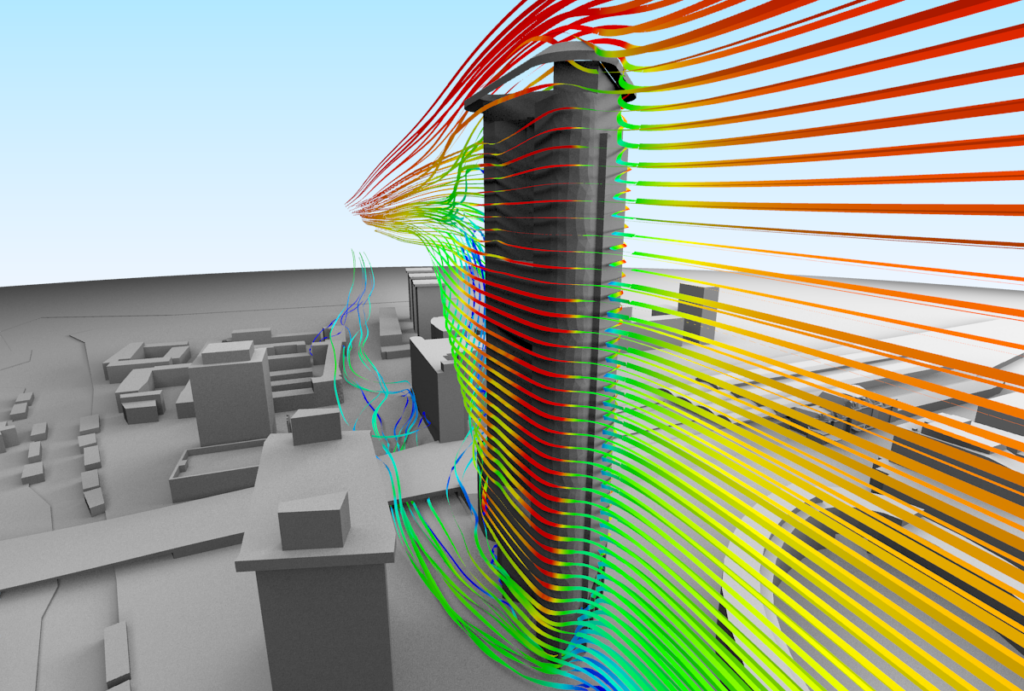
In wind engineering, we use wind tunnel testing for pedestrian wind comfort and microclimate assessments and for the assessments of cladding and structural loads on tall buildings. In the field of aerodynamics, our wind tunnel projects focus on sports equipment optimisation and road & air vehicle design.
Wind tunnel measurements provide reliable, physical validation of design performance. The data enables our engineers to:
By validating designs early in the development process, we help reduce costly modifications later.
The wind tunnel testing process typically begins with the construction of a scaled physical model of the building, vehicle, or product. This model is placed inside a wind tunnel, where controlled airflow is generated to replicate atmospheric conditions.
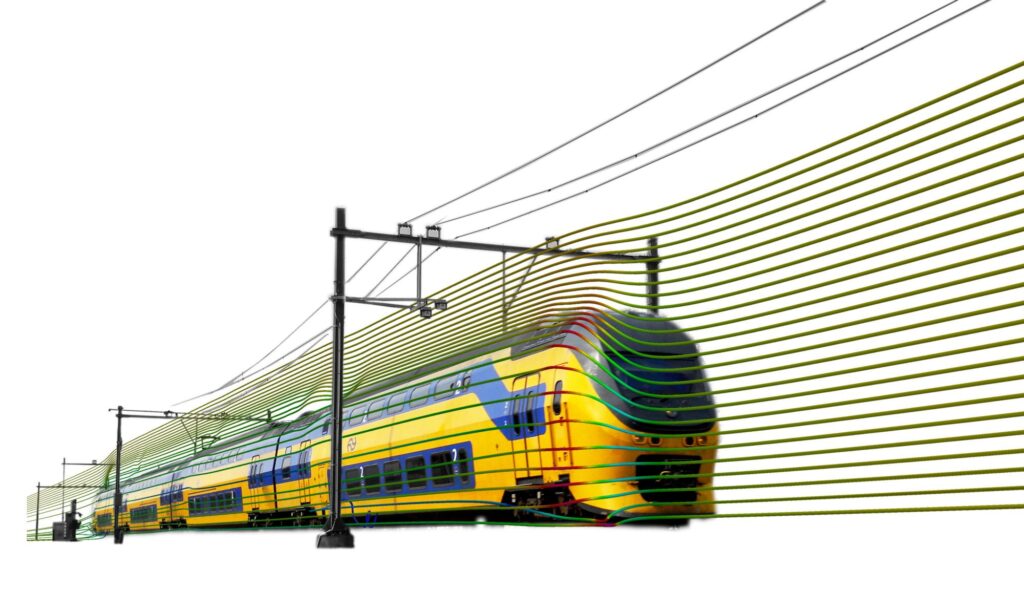
Various instruments, such as pressure taps, anemometers, strain gauges, a load balance, smoke tubes, etc. are used to visualize the airflow patterns and to measure parameters like wind speeds, pressure distributions, forces, etc.
Our automated data acquisition and processing systems ensure accurate, high-resolution results. We produce clear graphs, reports, and visualisations to illustrate our results, and we provide actionable insights for design optimisation.
Actiflow collaborates with leading wind tunnel facilities in the United Kingdom and the Netherlands. These facilities are equipped with state-of-the-art hardware and advanced data acquisition software, enabling:
This combination of expertise, advanced facilities, and efficient workflows ensures the highest quality wind tunnel testing results for our clients.

Made by 