

Aerodynamics for R&D
Medical equipment
Airflow and liquid flow analysis & design for medical equipment
Aerodynamics for R&D
Airflow and liquid flow analysis & design for medical equipment
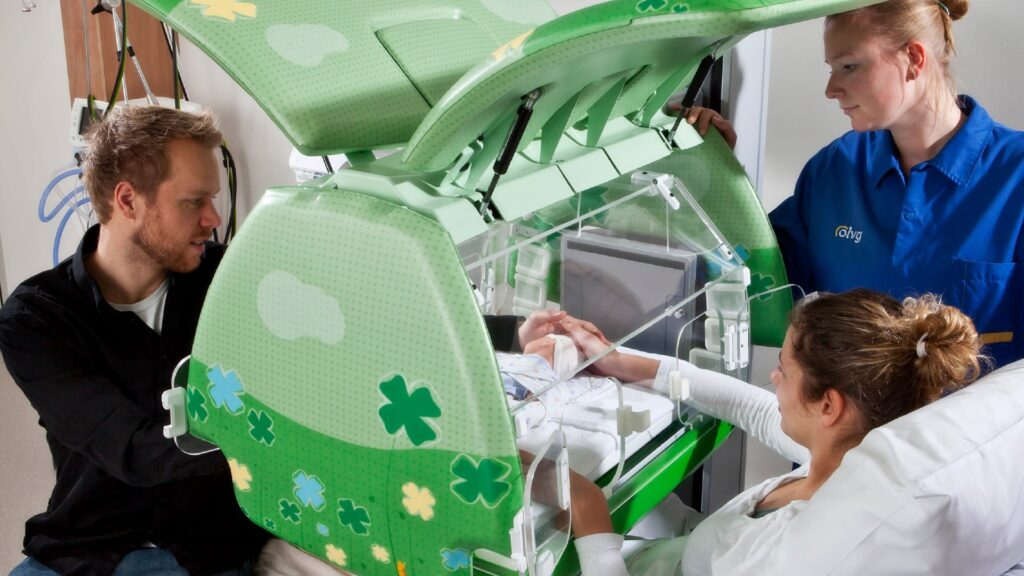
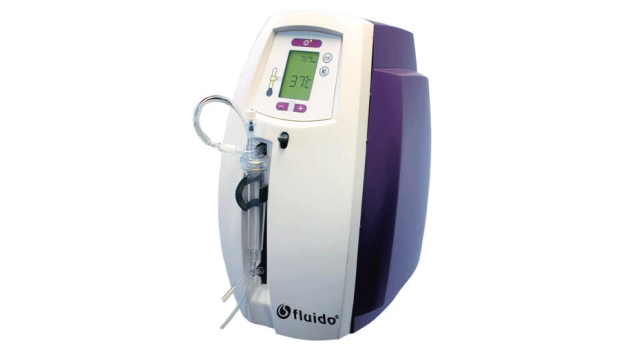
Airflow and liquid flow play a critical role in medical equipment, directly affecting functionality, safety, and energy efficiency. Examples include neonatal incubators, respiratory devices, blood heating equipment, operating room (OR) downflow systems, and other medical devices where controlled flow behaviour is essential.
By visualising airflow and liquid flow behaviour, Actiflow helps identify potential design challenges and performance limitations. Based on these insights, we propose targeted design improvements that enhance functionality, increase product quality, and reduce energy consumption.
We primarily work with medical equipment manufacturers aiming to improve the performance and reliability of their products. Our clients range from small, local companies with limited in-house R&D capacity to large international manufacturers with extensive R&D teams.
Depending on your needs, we can support your R&D department with specialised expertise in airflow and liquid flow simulation and measurement, helping to identify viable conceptual solutions. Alternatively, we can take a leading role in the development process, guiding the project from concept through to a validated working prototype.
Our services range from detailed flow analysis to the design of complete medical systems.
Using advanced CFD simulations, we visualise airflow, liquid flow, and heat transfer inside your medical equipment. This provides deep insight into system performance, efficiency, and potential risks.
Our simulations support both new product development and troubleshooting of existing equipment. When performance issues arise, we analyse the root cause, explain why the problem occurs, and propose effective design solutions. These improvements are validated through additional simulations, and where possible, we remain involved until implementation to ensure the issue is fully resolved.
In addition to CFD simulations, we offer prototyping and testing services to validate our designs. We collaborate with a trusted network of partners for prototype manufacturing, while flow measurements and testing are performed in-house.
We use a wide range of airflow measurement instruments covering various airspeeds and conditions, and we have the expertise to conduct measurement campaigns that comply with applicable medical and industry standards.
When involved in the full product development process, we assist with selecting the right components such as fans, heating elements, filters, and sensors. We also advise on appropriate control strategies and algorithms to optimise system performance.
In later development stages, we support implementation, fine-tuning, and optimisation of the final equipment.
CFD simulation is our primary tool for analysing and designing airflow and liquid flow in medical equipment. Simulations allow us to visualise flow behaviour, assess design feasibility, and evaluate performance early in the development process.
In the medical sector, validation through prototyping and experimental testing is essential. Therefore, our projects combine simulation with physical prototypes and precise measurements.
Our typical workflow follows an iterative process of design, 3D modelling, simulation, prototyping, and validation. The number of iterations depends on system complexity, but thanks to our extensive experience in medical equipment development, we minimise development time and effort while ensuring reliable and high-quality results.
Made by 