Netherlands
Aerodynamic design sit-ski
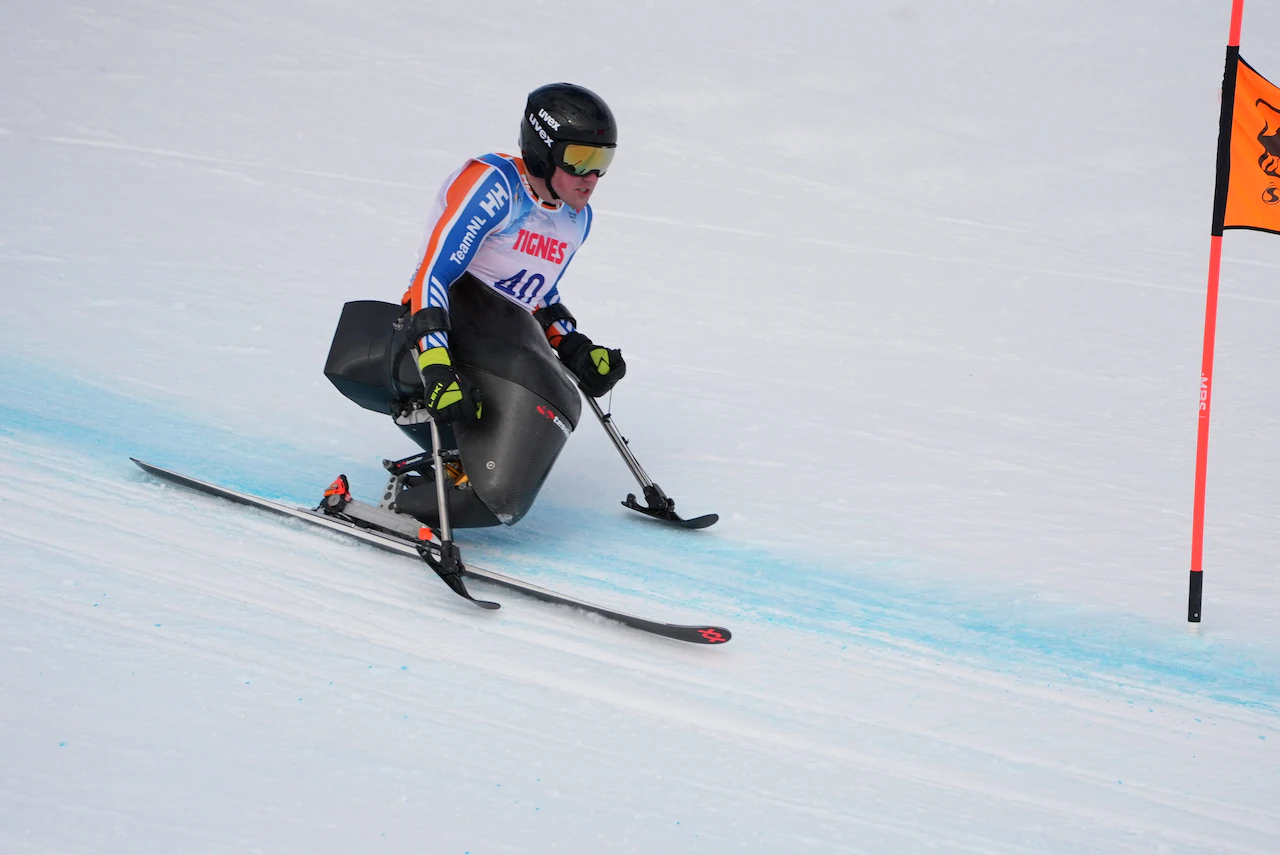
In preparation for the Paralympic Winter Games 2026, Actiflow contributed to an innovative development for the Dutch Paralympic alpine ski team.
8% Less Aerodynamic Drag for TeamNL Through Advanced Aerodynamic Innovation
In alpine skiing, aerodynamic drag is by far the dominant resistive force: approximately 80% of the total resistance is caused by airflow. This applies to both able-bodied and Paralympic athletes. In a sport where hundredths of a second determine the outcome, aerodynamic optimization translates directly into performance gains.
In preparation for the Paralympic Winter Games 2026, Actiflow was commissioned to support the aerodynamic development of a new sit-ski for the Dutch Paralympic team. While innovation in able-bodied skiing is heavily restricted by regulations, sit-skiing offers greater freedom for technological advancement. This created a unique opportunity to achieve substantial gains through targeted flow optimization.
Case details
From 3D Scan to Virtual Wind Tunnel
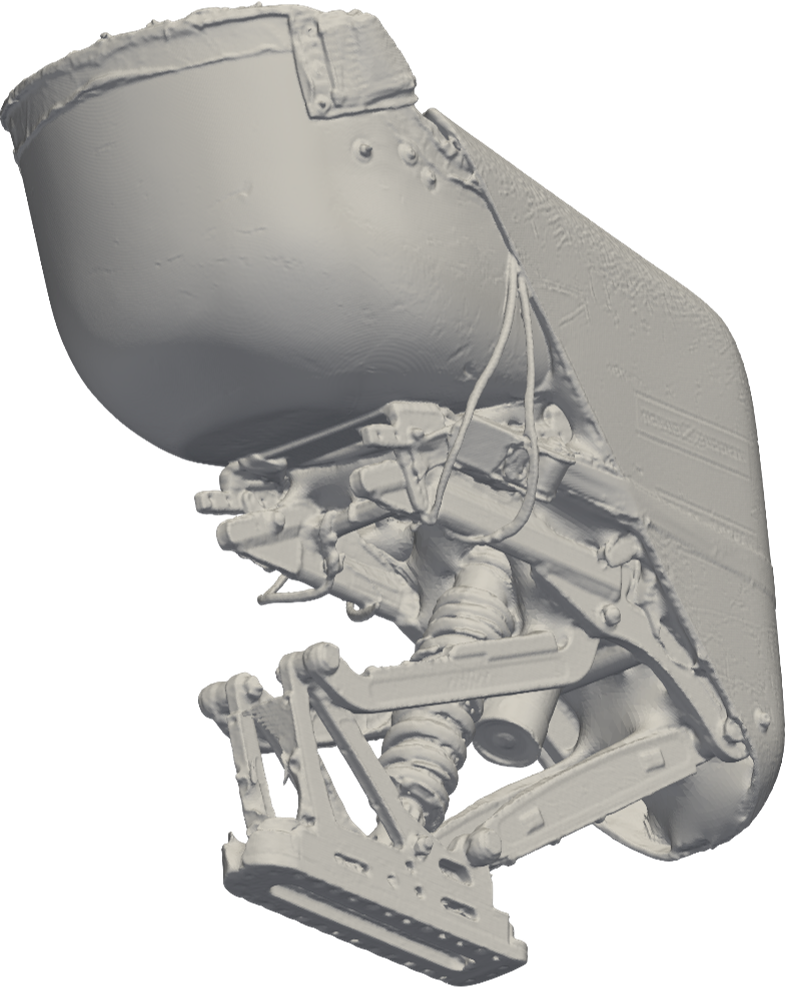
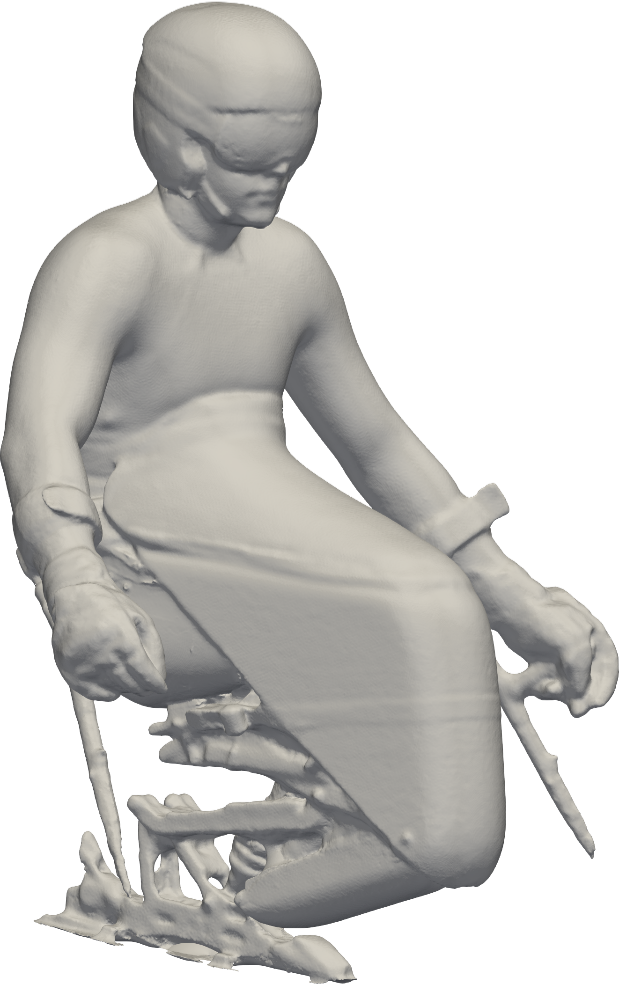
The foundation of the project consisted of detailed 3D scans of the athletes in their sit-skis, carried out at Delft University of Technology. This realistic geometry served as the starting point for our analyses.
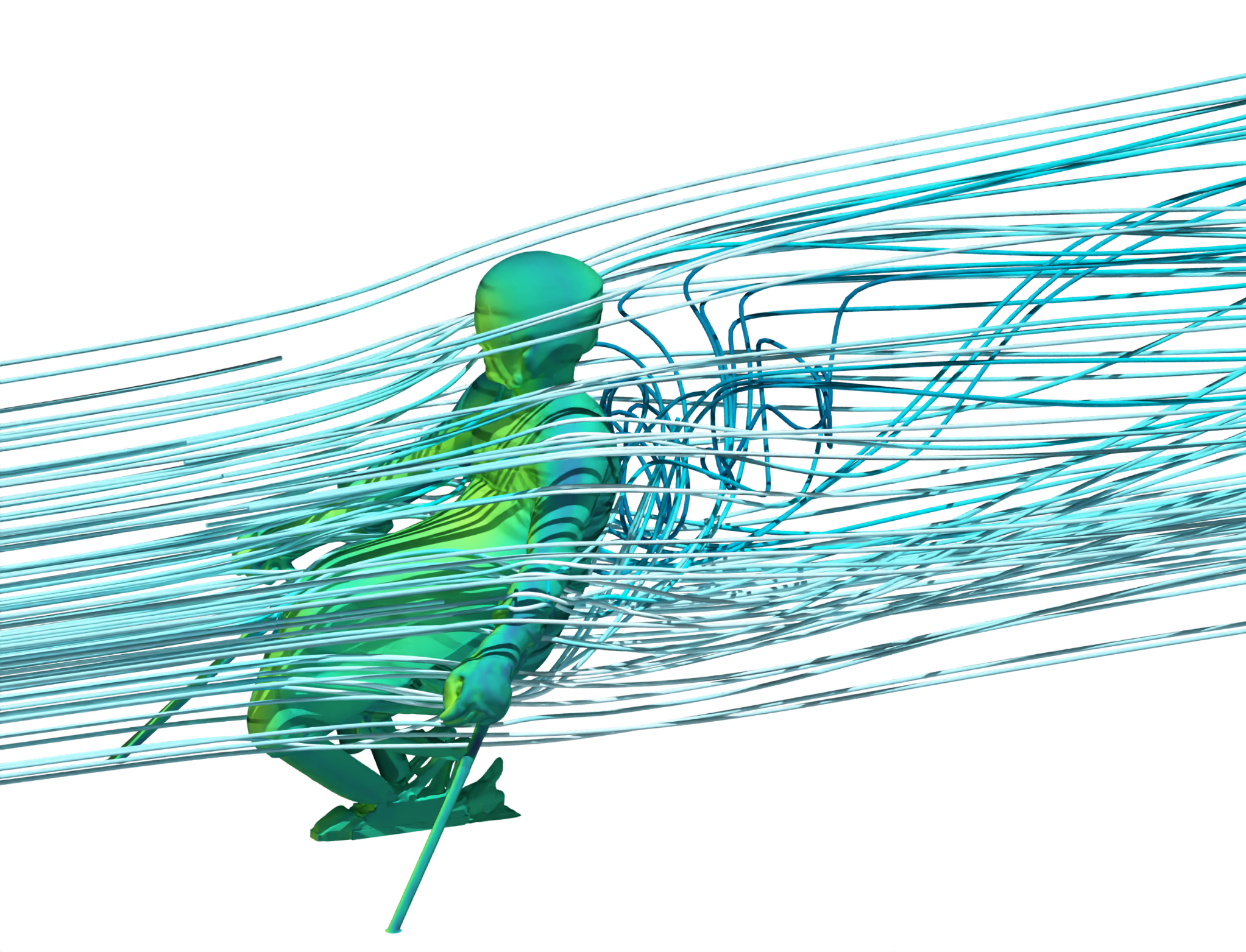
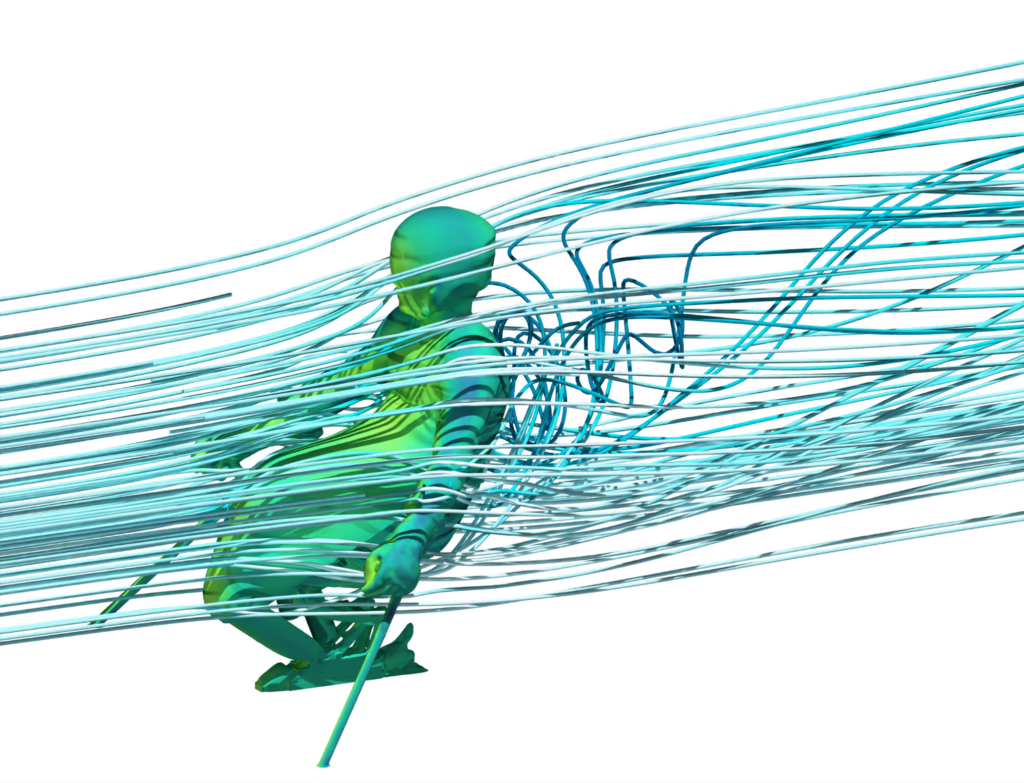
Based on this scan data, Actiflow developed an advanced CFD (Computational Fluid Dynamics) simulation model. Using our virtual wind tunnel, we analyzed the airflow around the athlete and sit-ski and systematically evaluated multiple design variants for an aerodynamic rear fairing.
The simulations were based on the scan of Jeroen Kampschreur. The results are representative for the other athletes within the team, with individual customization required for mounting and detailing.
Through extensive parameter variations and optimization studies, we:
- Visualized flow structures and wake formation behind the athlete
- Designed and evaluated multiple fairing geometries
- Quantified the influence of crosswinds and yaw angles
- Objectively substantiated the potential drag reduction
Our calculations predicted a potential aerodynamic drag reduction of nearly 10%.
From Numerical Optimization to Validated Product
The aerodynamically optimized base geometry developed by Actiflow was translated within the consortium into a practical, competition-ready product. Key design requirements included crash safety, flexibility, low weight, and easy mounting and dismounting (for example in ski lifts).
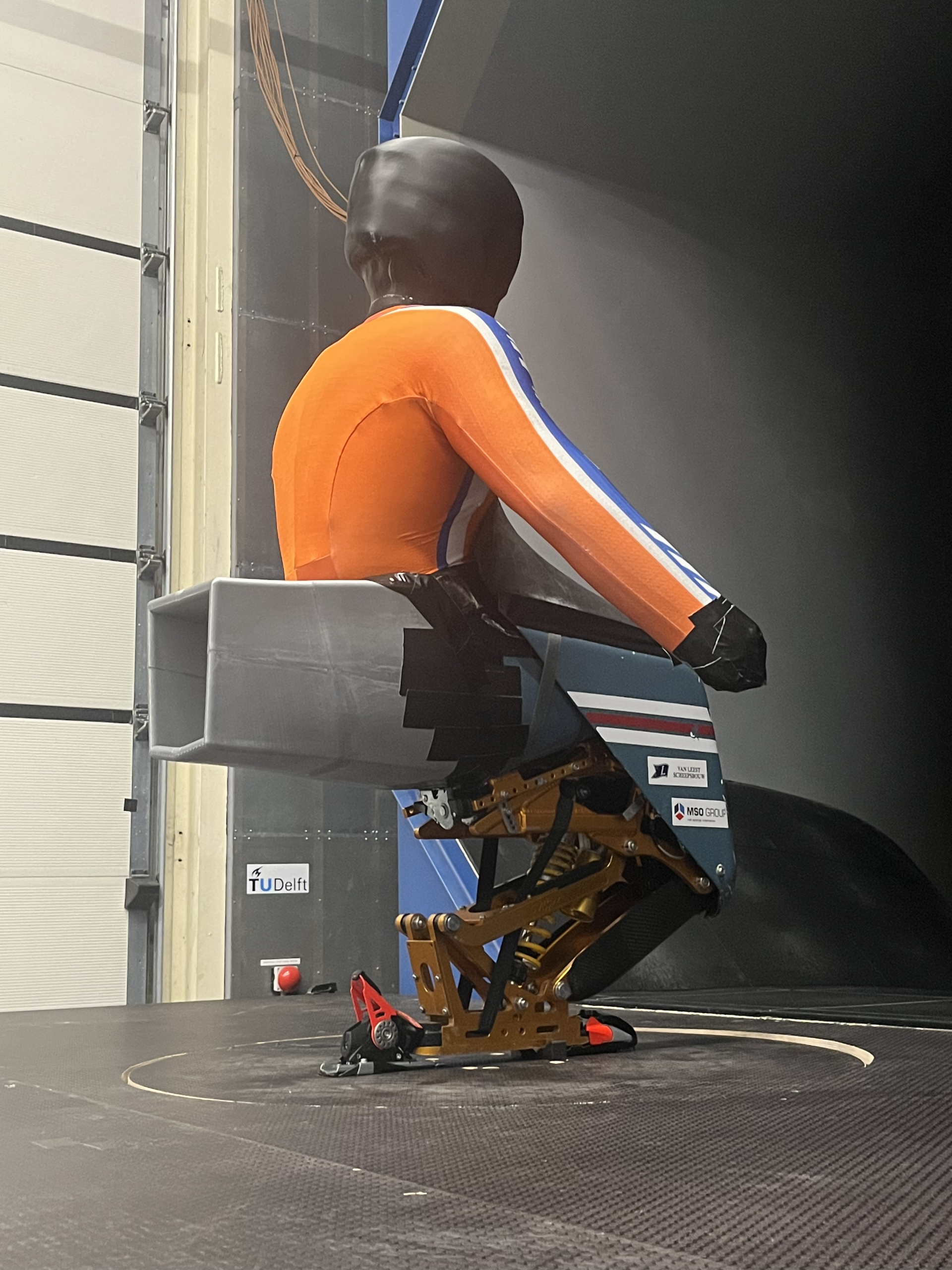
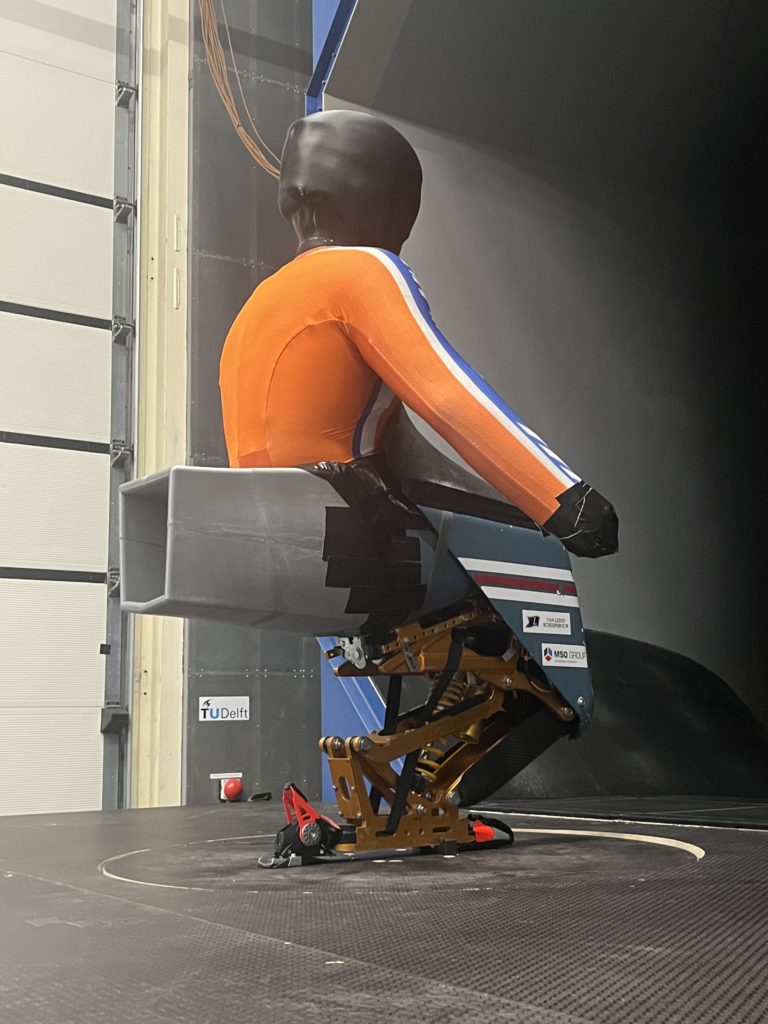
Sports engineer Roel van der Hooft produced the first prototypes using flexible 3D-printed polymer. Wind tunnel testing was subsequently carried out at Delft University of Technology using physical replicas (mannequins) of the athletes.
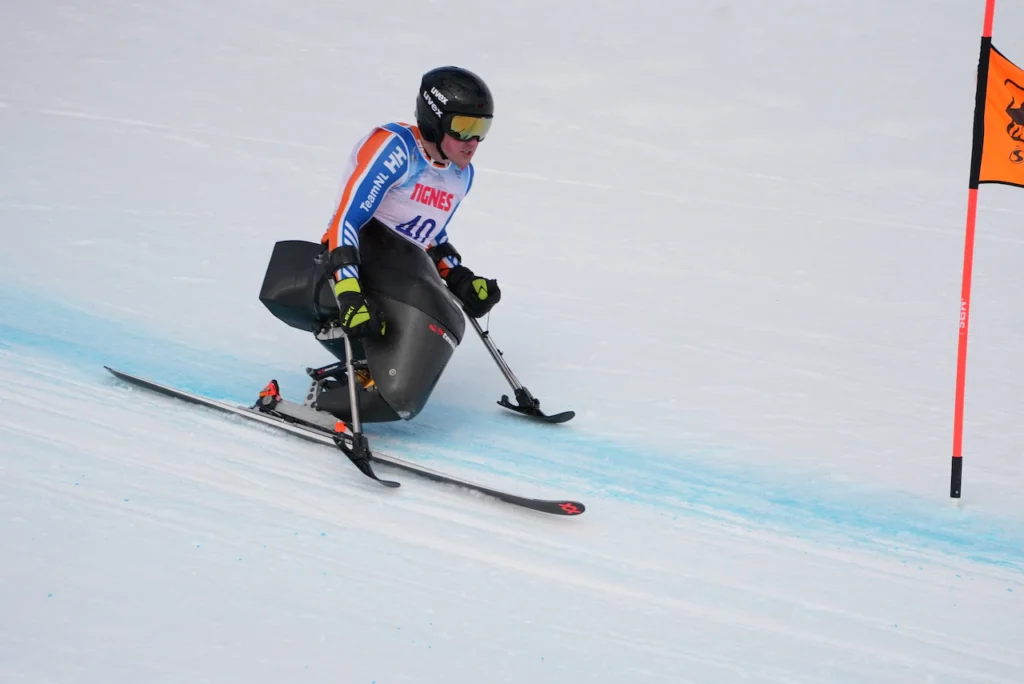
The wind tunnel measurements confirmed the trends predicted by Actiflow and provided further direction for optimization. Additional on-snow testing was then performed, leading to further refinements in shape and material configuration.
The combination of CFD analysis, wind tunnel validation, and real-world testing resulted in the final design: a custom-made, detachable aerodynamic fairing that can easily be mounted at the top of the slope.
Result: 8% measured drag reduction
While the CFD simulations predicted a drag reduction of nearly 10%, combined experimental and field test results demonstrate a realized reduction of approximately 8% in aerodynamic drag.
In absolute terms, this represents a significant time gain in downhill racing — a measurable and competitive advantage at the highest international level.
A multidisciplinary collaboration
The project was realized in close collaboration with:
- Nederlandse Ski Vereniging voor Gehandicapten (NSKIV)
- Delft University of Technology
- TeamNL Sport Science Centre
- Sports engineer Roel van der Hooft
- Actiflow
Within this consortium, Actiflow was responsible for the complete aerodynamic substantiation of the design. Our CFD analyses formed the quantitative foundation for design decisions, validation, and ultimate performance improvement.
The added value of Actiflow
Within this project, Actiflow:
- Translated realistic scan data into a reliable CFD model
- Performed physics-based flow analysis around athlete and sit-ski
- Developed and optimized design variants for drag reduction
- Assessed crosswind sensitivity and aerodynamic robustness
- Interpreted wind tunnel results and linked them to numerical predictions
- Quantified both the expected and realized performance gains
This project demonstrates how advanced aerodynamic simulations, applied to realistic geometry and integrated into a multidisciplinary development process, can lead to a concrete and measurable performance advantage.
From digital wind tunnel to podium ambitions in Milan Cortina 2026.
Related Projects
City Skydive
Tokyo 2020 Track Bike
Read More